
Selling your software business is a significant decision. Whether you’re preparing for retirement, exploring new opportunities, or thinking about the long-term future of your company, there is a lot to consider before taking the next step.
This decision goes beyond the financial aspects of a sale. It’s also about finding the right home for the business you’ve built, supporting your employees, and ensuring your customers continue to receive the service they depend on.
While every business owner’s circumstances are different, taking the time to reflect on your priorities can help you approach the decision with greater clarity.
Here are five important considerations to keep in mind when exploring the possibility of selling your software business.
1. Understand Your Reasons for Selling
Before exploring a potential sale, it’s worth asking yourself a simple question: What do I want to achieve?
For some owners, selling is part of a long-term retirement or succession plan. For others, it’s an opportunity to pursue new interests or find a partner who can support the next stage of the company’s development.
There is no single right reason to sell. What matters is understanding your own goals and how they may influence the type of buyer you’re looking for.
Questions to consider:
- What are my personal and professional goals for the next few years?
- Am I ready to step away, or would I prefer to remain involved?
- What would a successful outcome look like for me and my business?
Having a clear sense of your priorities can help guide future conversations and decisions.
“For me personally, I wanted Healthpoint to be in a better, stronger place. That meant that when I looked at other alternatives, such as a merger where potentially we would lose our identity, or VC where there is a whole lot of future risk, it wasn’t what I wanted for Healthpoint.
Then with a buy and hold strategy, I feel like I was confident enough that a business that I’d spent 22 years building would be in a really good space for the next 20 years. And most importantly, I would still want to work within that business – that that was my driver.”
2. Consider the Future of Your Employees and Customers
Your employees and customers have played an important role in your company’s success. Naturally, their future may be one of your biggest considerations when thinking about a sale.
As you explore your options, consider what you want the next chapter to look like for the people who know your business best.
This might include maintaining strong customer relationships, preserving the company’s culture, or ensuring experienced team members have opportunities to continue contributing and developing professionally.
Questions to consider:
- What aspects of our company culture are most important to preserve?
- How can we support continuity for our employees and customers?
- Are there leaders within the business who could take on greater responsibilities?
Internal succession planning can be particularly valuable when preparing for a change in ownership. Developing leadership from within helps preserve institutional knowledge and supports continuity as the business evolves.
For more on this topic, read Why Internal Succession Strengthens a Company Before and After a Sale.
3. Understand the Buyer’s Long-Term Vision
Not all software acquirers take the same approach to ownership.
Some have shorter investment horizons, while others focus on owning and supporting businesses over the long term. Understanding these differences can help you determine which approach aligns with your priorities.
When getting to know a potential buyer, look beyond the immediate transaction. Consider their experience, values, and vision for the businesses they acquire.
Questions to consider:
- What is the buyer’s long-term approach to ownership?
- How do they support the businesses they acquire?
- What is their experience working with software companies like mine?
- Does their philosophy align with what I want for my company’s future?
At Jonas, our Software for Life philosophy reflects our commitment to buying and holding software businesses permanently. We believe in building on the success of established businesses and supporting their long-term development.
For owners who care deeply about the future of their company, understanding a buyer’s intentions can be an important part of making an informed decision.
Find out more about our buy & hold philosophy at Buy & Hold Forever: ABCs Spotlight Part 2.
4. Think About Your Own Next Chapter
Selling a business you’ve spent years building can bring both new opportunities and important personal decisions.
Some owners look forward to retirement or spending more time with family. Others remain passionate about their industry and want to continue contributing to the business in a different capacity.
Thinking about your preferred future involvement early can help you identify what matters most when considering a potential sale.
Questions to consider:
- What would I like my day-to-day life to look like after selling?
- Would I prefer a gradual transition or a more immediate departure?
- What responsibilities would I want to retain or pass on?
There is no universal approach. Your goals, the needs of your business, and the arrangement with a potential buyer will all help shape what comes next.
“I did wonder how much autonomy would keep to be honest, and we have seen some changes, but those I’ve seen have made sense. The senior staff have naturally seen quite a bit of change. James (former co-owner of Kobas) moved on straight away. I’m not hanging around forever. So some things are changing, but we have been allowed to maintain all the usual day-to-day processes that mean that the rest of our team’s routine, below the senior staff has been largely undisturbed.”
5. Take the Time to Make an Informed Decision
Selling your software business is not a decision that needs to be rushed.
Whether you’re actively considering a sale or simply exploring what the future might hold, taking time to understand your options can help you feel more confident about the path forward.
Speak with trusted advisors, ask questions, and get to know potential buyers. Consider not only what they offer today, but also how their approach aligns with your longer-term goals.
And remember, an initial conversation doesn’t mean you need to make an immediate decision.
If you’re beginning to explore your options, our article How Do You Sell Your Software Business for the First Time? offers additional considerations for owners approaching the process for the first time.
Finding the Right Home for Your Software Business
Every software business has its own story, and every owner has different priorities when considering a sale.
Taking the time to understand your goals, consider the future of your employees and customers, and learn about potential buyers can help you make a decision that feels right for you and your business.
At Jonas Software, we recognize the years of dedication and expertise that go into building a successful software company. Our approach is grounded in long-term ownership, respect for the businesses we acquire, and a commitment to their continued success.
Whether you’re thinking about retirement, succession, or the next stage of your company’s journey, finding a buyer who shares your long-term vision is an important place to start.
You don’t need to have all the answers to begin exploring your options.
If you’re considering selling your software business, now or in the future, we’d welcome the opportunity to learn more about your company and your goals.
Complete the form below to connect with the Jonas team and learn more about our long-term approach to partnering with software owners.

Recent Posts

The Software Acquisition Checklist
Selling your software business is a significant decision. Whether you're preparing for retirement, exploring new opportunities, or thinking about...
Total Service and Constellation Payments Showcase the Power of Collaboration Across the Constellation Ecosystem
One of the advantages of being part of the Jonas Software and Constellation Software ("CSI") ecosystem is access to a broad network of businesses...

Navigating Success: John Corley
Thought-Leadership Insight with John Corley We caught up with John Corley – President of the Club Division at Vertus Group, to talk about his...
Vesta Software Group Acquires Zoo Logic
Buenos Aires, Argentina, September 15th 2026 – Vesta Software Group is pleased to announce the acquisition of Zoo Logic, an Argentine...
Vesta Software Group Acquires Aucxis BV
Wallingford, Oxfordshire, September, 10, 2026 - Vesta Software Group ("Vesta") is pleased to announce the acquisition of Aucxis BV ("Aucxis"), a...

Why I Sold – Acquisition Stories with Kate Rhind, Healthpoint
We caught up with Kate Rhind, the founder of HealthPoint, and current CEO of Healthpoint. To talk about the acquisition process for the New Zealand...

AI Is Making Education Accessible Again
For a long time professional education was gated. To learn about advanced finance, you went back to school. To deepen your technical skills, you...
Career Progression Stories: Tim de Groot
We caught up with Tim de Groot, the CEO of Shortcuts Software, to talk about his career progression story before Jonas and since he joined the...

Selling to Jonas or Taking VC Investment: Understanding the Differences
If you've built a successful software company, you've probably been approached by venture capital ("VC") firms. They'll talk about accelerating...
Vertus Group Acquires Delineate
Llandysul Wales, UK – Vertus Group, a division of Jonas Software, is pleased to welcome Delineate, a research technology company that gives brands...
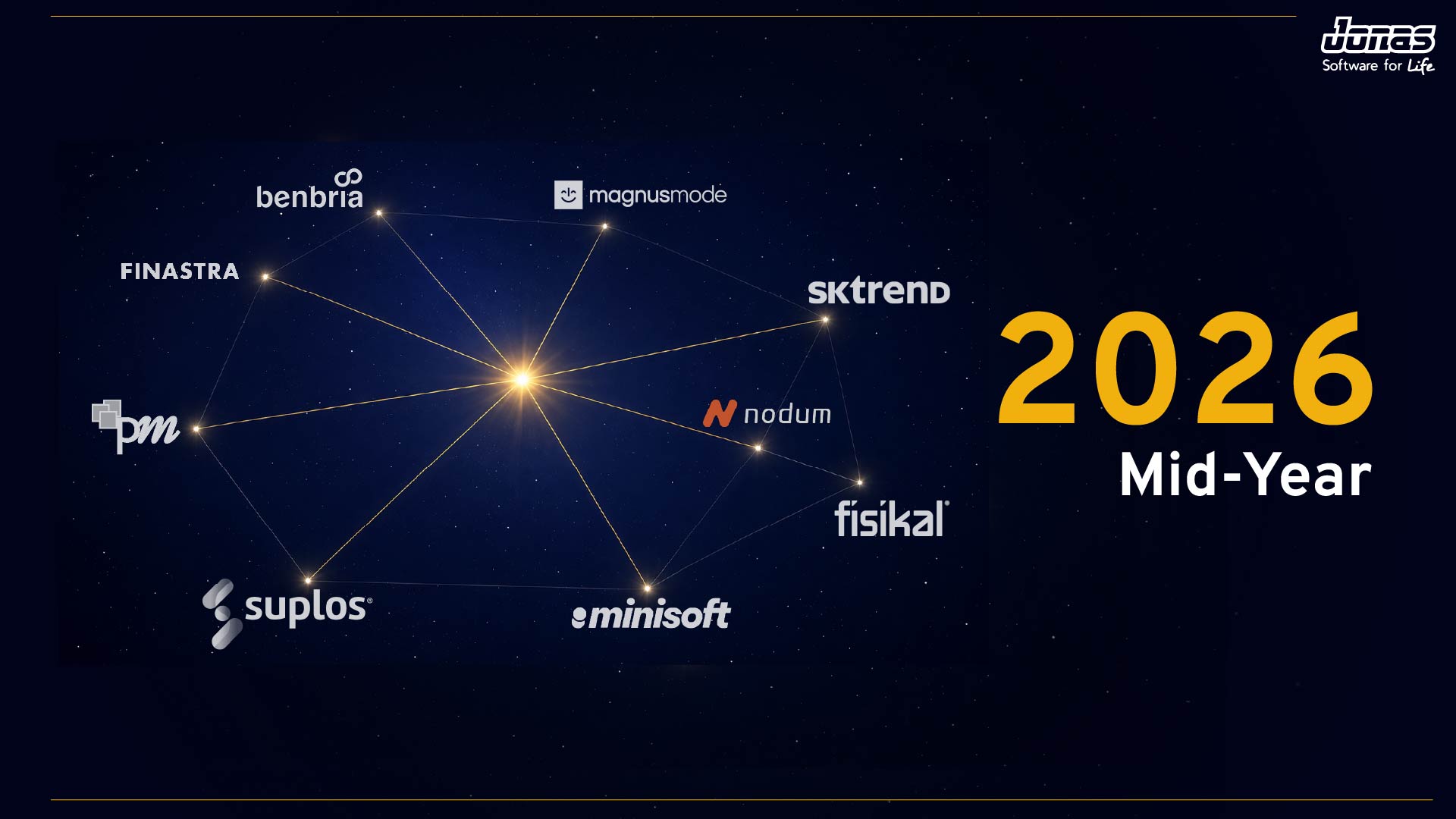
2026 Mid-Year Review
2026 has already proven to be a milestone year marked by exceptional growth for Jonas Software. Here's a quick snapshot of our accomplishments so...

Advice for Software Business Owners Considering a Sale
Selling your software company is one of the most significant decisions you'll ever make. The process takes time, careful planning, and thoughtful...