
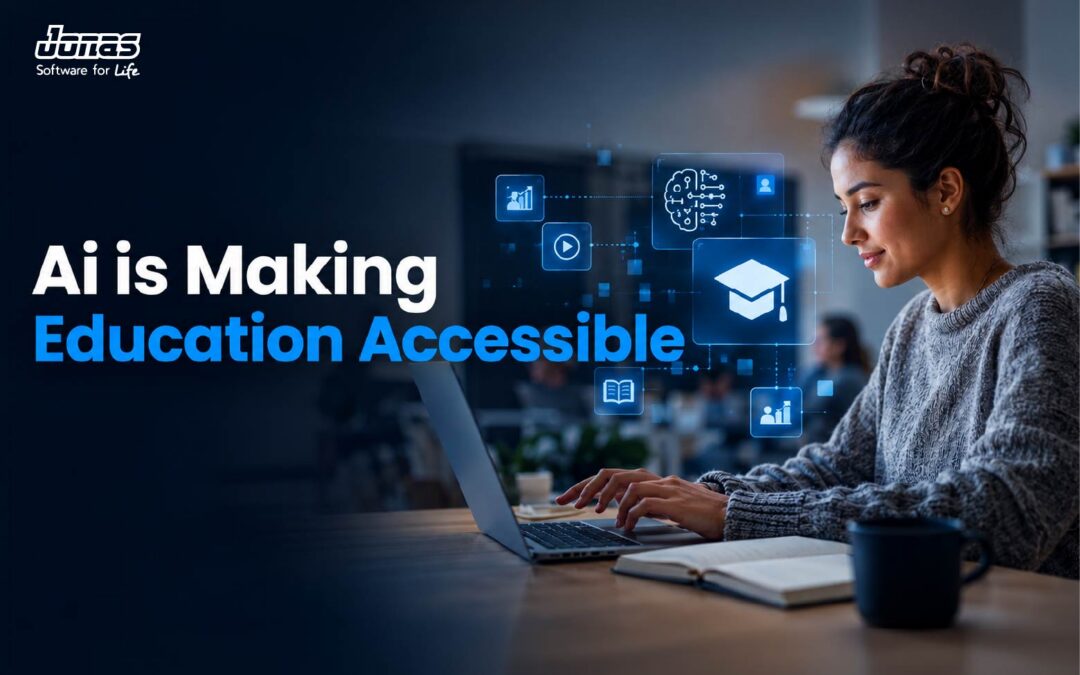
For a long time professional education was gated. To learn about advanced finance, you went back to school. To deepen your technical skills, you carved out nights and weekends for courses.
Learning was a formal, scheduled and expensive process.
What is happening now with AI completely changes the role education plays in the day-to-day. AI is redefining professional education, turning everyone into a lifelong learner with personalized, on demand support.
The Barriers Were Not Just Financial
When we talk about access to education, we often mean cost or geography. But in the workplace, the bigger barriers were often psychological.
People avoid learning new disciplines because they do not want to look inexperienced. A technical founder might hesitate to ask basic questions about financial modeling. A new manager might avoid admitting they are unsure how to structure a performance conversation. A product leader might quietly sidestep regulatory details they do not fully understand.
These gaps compound over time.
AI changes that dynamic in a subtle but important way. It creates a space where questions can be asked without consequence.
It can explain concepts in multiple ways until it makes sense for the user. It can create examples, simplify the answer, and simplify it again. The freedom AI is creating when it comes to learning is vital.

Education Is Moving into the Workflow
In the past, learning was something you stepped away to do. Completing seminars, courses, certificates, and training portals.
Learning is now happening in the middle of the work itself.
A developer can pause and ask for a clearer explanation of a concept before implementing it. A finance lead can sanity-check a forecast model and explore edge cases. A customer success manager can draft a difficult email and refine tone before sending it.
The key difference is proximity to the knowledge and the ability to do it in the moment.
For mission-critical software companies, this is particularly relevant. These businesses are built on deep domain expertise, and the learning curve is steep.
AI can accelerate learning for new hires, help cross-functional teams understand one another’s language, and make specialized knowledge easier to share across an organization.
Curiosity Is Returning
With on-demand tutoring and adaptive learning, professionals are rediscovering the joy of upskilling.
Professionals who may have stayed narrowly focused are now beginning to explore adjacent disciplines. That same curiosity is helping teams move from AI exploration toward practical applications.
Technical leaders are brushing up on financial metrics. Operators are learning more about product design. Managers are studying communication frameworks.
This curiosity in learning is self-directed and therefore has the desire of momentum behind it.
Over time, this builds more well-rounded leaders and resilient organizations.
Confidence Changes Behavior
When someone knows they have a reliable way to test ideas, get feedback, and clarify uncertainties, they take more initiative. They experiment and refine their thinking before presenting it. They approach unfamiliar problems with less hesitation.
AI provides a form of iterative feedback that used to require a mentor sitting next to you.
It can review code, pressure-test assumptions and suggest alternative approaches. None of this replaces human oversight or judgment.
This approach is building confidence in individuals while changing the way employees operate in the workplace.

When more people can explore unfamiliar topics independently, the benefit extends beyond individual development. Teams can communicate more effectively across functions, new employees can build context faster, and specialized knowledge becomes less concentrated in a handful of people.
Education as Infrastructure
We may look back on this period and realize that the most important impact of AI was actually access, not automation like everyone thinks.
AI gives us access to explanations, feedback, and structured thinking to skills and knowledge that once felt distant or out of reach.
Even today, education is becoming less about an event or credentials or even expertise, and more about a constant presence, fluency and building.
AI is making people more capable – and in industries built on deep expertise, that may be its most important contribution.
At Jonas Software, we have seen the value of making expertise easier to access across a network of vertical market software businesses. Sharing best practices and learning from experienced operators can help teams solve problems faster while continuing to build their own domain expertise.
We are committed to supporting the portfolio companies in adopting AI strategies that align with their long-term business objectives.
Are you ready to explore AI opportunities within your software business? Contact Jonas Software today to learn how we can help you navigate the AI revolution.
Contact Us to Learn More
Recent Posts
Total Service and Constellation Payments Showcase the Power of Collaboration Across the Constellation Ecosystem
One of the advantages of being part of the Jonas Software and Constellation Software ("CSI") ecosystem is access to a broad network of businesses...
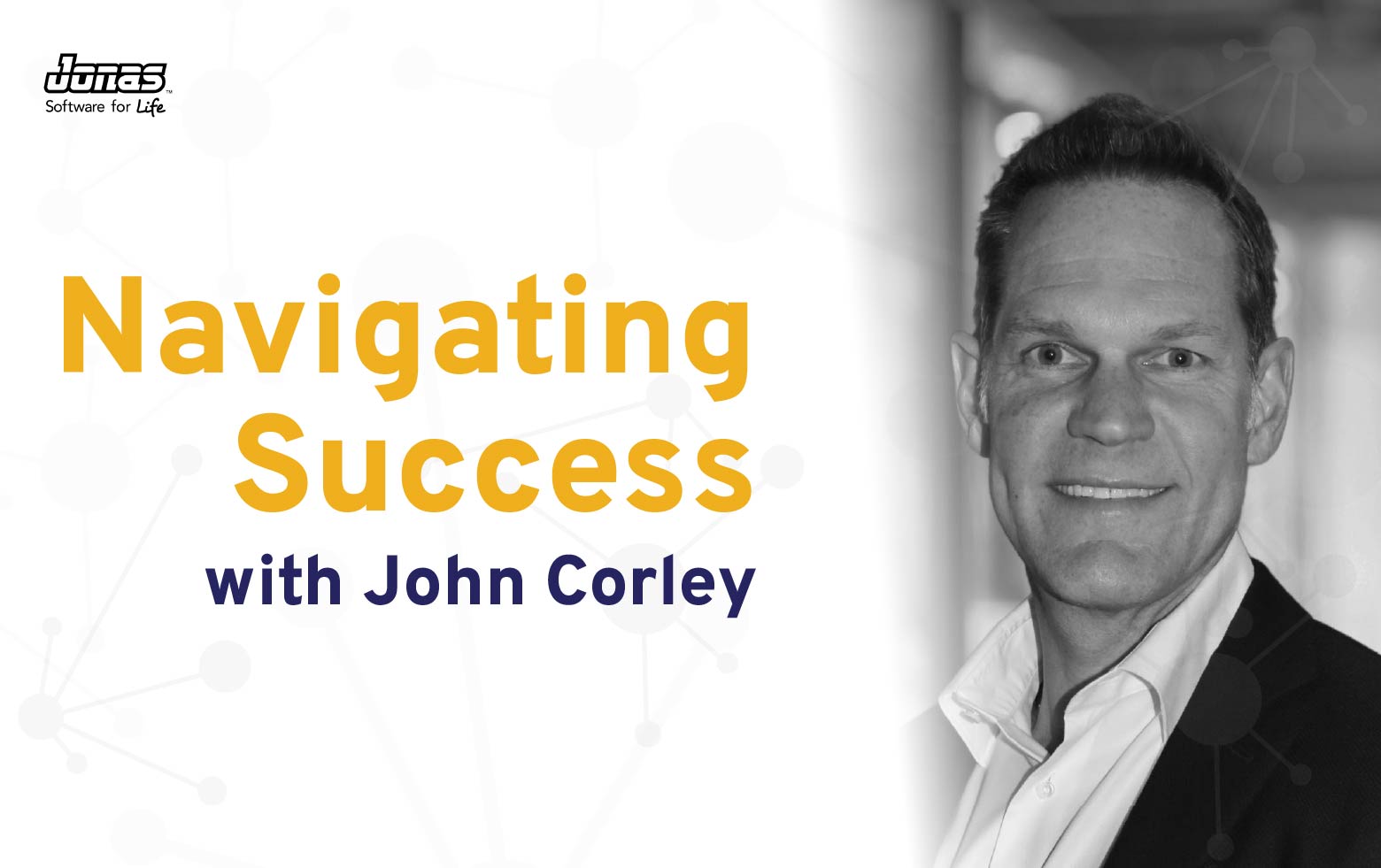
Navigating Success: John Corley
Thought-Leadership Insight with John Corley We caught up with John Corley – President of the Club Division at Vertus Group, to talk about his...
Vesta Software Group Acquires Zoo Logic
Buenos Aires, Argentina, September 15th 2026 – Vesta Software Group is pleased to announce the acquisition of Zoo Logic, an Argentine...
Vesta Software Group Acquires Aucxis BV
Wallingford, Oxfordshire, September, 10, 2026 - Vesta Software Group ("Vesta") is pleased to announce the acquisition of Aucxis BV ("Aucxis"), a...

Why I Sold – Acquisition Stories with Kate Rhind, Healthpoint
We caught up with Kate Rhind, the founder of HealthPoint, and current CEO of Healthpoint. To talk about the acquisition process for the New Zealand...
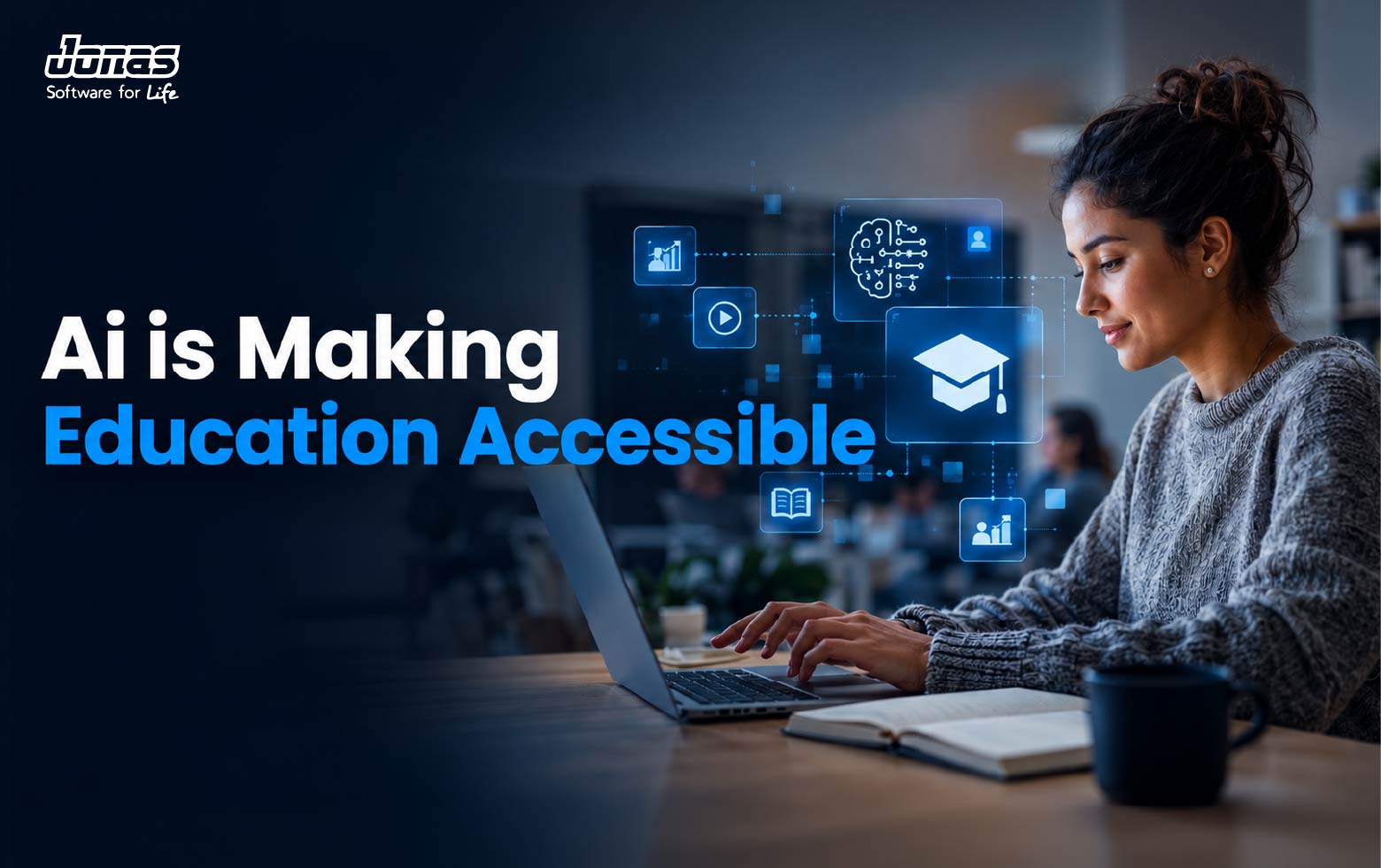
AI Is Making Education Accessible Again
For a long time professional education was gated. To learn about advanced finance, you went back to school. To deepen your technical skills, you...
Career Progression Stories: Tim de Groot
We caught up with Tim de Groot, the CEO of Shortcuts Software, to talk about his career progression story before Jonas and since he joined the...

Selling to Jonas or Taking VC Investment: Understanding the Differences
If you've built a successful software company, you've probably been approached by venture capital ("VC") firms. They'll talk about accelerating...

Vertus Group Acquires Delineate
Llandysul Wales, UK – Vertus Group, a division of Jonas Software, is pleased to welcome Delineate, a research technology company that gives brands...
2026 Mid-Year Review
2026 has already proven to be a milestone year marked by exceptional growth for Jonas Software. Here's a quick snapshot of our accomplishments so...

Advice for Software Business Owners Considering a Sale
Selling your software company is one of the most significant decisions you'll ever make. The process takes time, careful planning, and thoughtful...
Career Progression Stories: Abram Bobis
We caught up with Abram Bobis, the General Manager of Theta Technologies. To talk about this career progression story with Theta and now at...